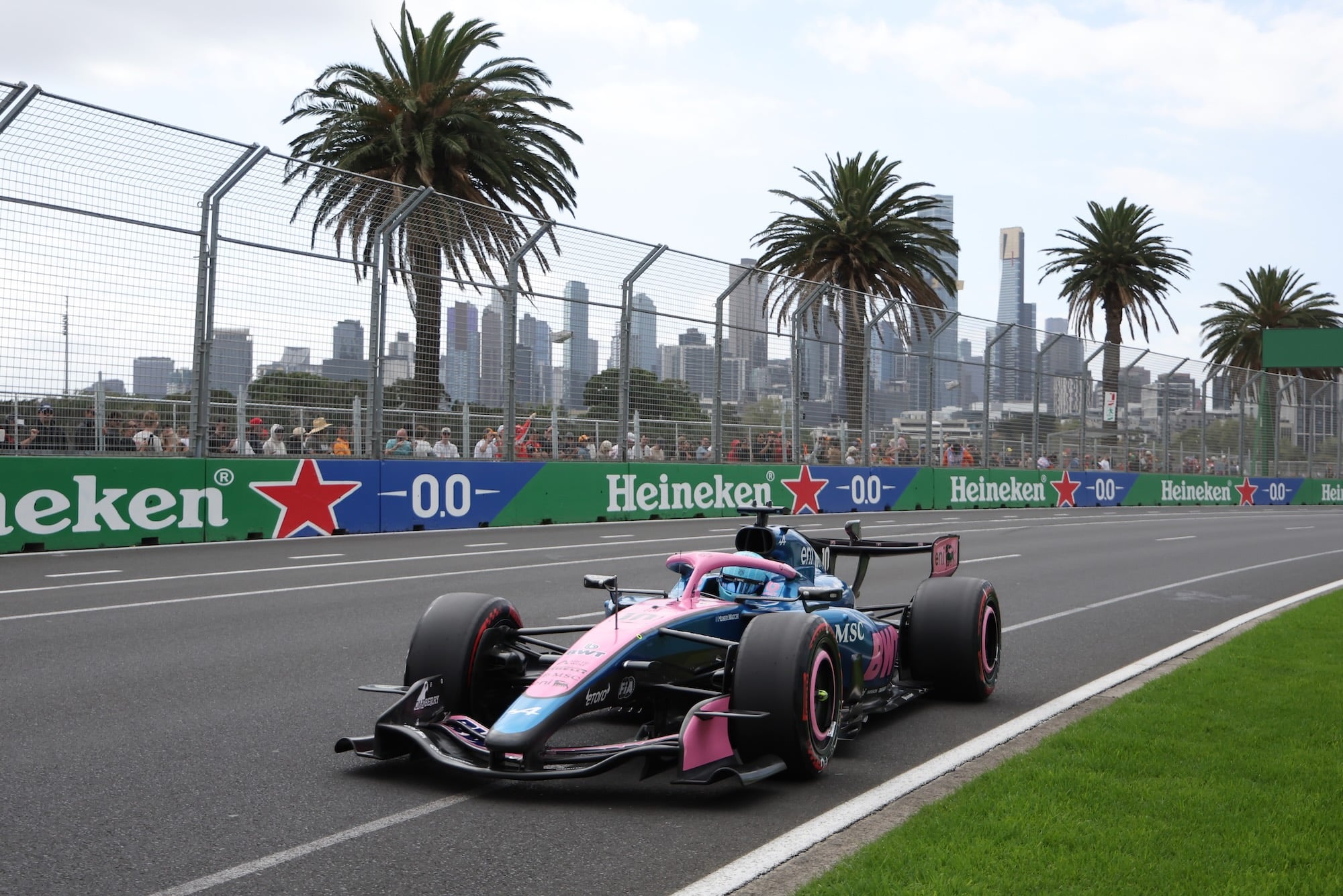
Decoding Alpine's Australian GP Results: A Deep Dive into F1 2026 Performance
The roar of engines at Albert Park always marks a thrilling start to the Formula 1 season, and 2026 was no exception. With significant regulatory shifts reshaping the sport, all eyes were on how teams like Alpine would adapt. The Australian Grand Prix, as the curtain-raiser, offered the first real glimpse into the competitive order, and for Alpine fans, understanding the team's "alpine classificação austrália" (Alpine's classification in Australia) was paramount. This isn't just about final positions; it's about dissecting the performance, identifying strengths, weaknesses, and charting a course for the demanding season ahead. The 2026 regulations introduced a new era, emphasizing sustainable fuels, revised aerodynamic principles, and a greater reliance on the MGU-K component of the hybrid power unit. These changes presented a blank slate, offering both immense opportunity and significant risk for every constructor on the grid.
The F1 2026 Landscape and Alpine's Ambitions
The build-up to the 2026 season was dominated by speculation surrounding the new technical regulations. A more robust chassis, active aerodynamics designed to reduce drag on straights, and a completely overhauled power unit concept meant that success would hinge on a team's ability to innovate within these constraints. For Alpine, a team with a storied racing heritage and a clear ambition to contend at the front, the Australian GP was a crucial litmus test. Their pre-season pronouncements spoke of a car designed for efficiency and adaptability, two traits that would be critical under the new rules.
The Albert Park circuit, with its mix of fast sweeps and technical corners, demands a balanced car – one with good mechanical grip for the slower sections and efficient aerodynamics for the high-speed zones. Tyre management, always a factor, promised to be even more critical with the new-generation compounds. Alpine's engineers would have been meticulously analyzing every byte of telemetry from testing, looking for clues on how their A526 chassis and Renault power unit package would stack up against rivals. The pressure was immense; a strong showing in Melbourne could set the tone for the entire year, while a faltering start could trigger a difficult uphill battle. For a detailed pre-race outlook, you might find our analysis on
Australian GP Qualifying: Predicting Alpine's Classification and Race Outlook insightful.
Unpacking Alpine's Australian GP Qualifying Performance (A 'classificação' Deep Dive)
The qualifying session at the Australian GP provided the first true measure of each team's raw pace. For Alpine, the focus on "alpine classificação austrália" revolved around maximizing their car's potential over a single lap. Early practice sessions indicated a competitive, though not dominant, package. The drivers reported good balance but highlighted challenges in extracting consistent grip across the different tyre compounds. Q1 saw both Alpine drivers comfortably through, demonstrating a baseline level of performance that was encouraging. However, the real test came in Q2 and Q3, where the margins tightened considerably.
In Q2, one Alpine driver managed to squeeze into the top ten shoot-out, showcasing the car's potential when pushed to the absolute limit. This driver's ability to manage tyre preparation and execute a near-perfect lap under pressure was commendable. The other driver, unfortunately, missed out on Q3 by a narrow margin, highlighting the competitive density of the midfield. This mixed result in qualifying underscored the fine line between success and disappointment in modern F1. It wasn't just about raw speed; it was about precision, setup optimization, and managing the new active aero elements to perfection. The data from these qualifying laps would be invaluable for engineers, providing crucial insights into the car's true capabilities and areas needing improvement for race trim.
Driver Performances and Strategic Gambles
The qualifying session is a delicate dance between driver skill, car setup, and strategic decisions. For the Alpine drivers, the challenge was immense, particularly with the new regulations impacting car behavior. Driver A, making it into Q3, demonstrated exceptional adaptability. Their feedback likely played a significant role in finding the optimal window for the car's setup, especially regarding the deployment of the new ERS regulations and the active aerodynamic components. Their ability to deliver a clean, fast lap consistently under pressure was a testament to their talent.
Driver B, despite not reaching Q3, showed flashes of speed and was consistently close to their teammate. The margin was often down to a tenth of a second or less, indicating that the car itself possessed the pace, but perhaps execution on that critical final lap, or a slight sub-optimal setup choice, made the difference. The team's strategy for qualifying also played a role. Deciding when to send cars out, which tyre compounds to use at specific times, and how to manage traffic were all factors that could influence "alpine classificação austrália." These nuanced decisions are what differentiate strong teams, and Alpine's engineering team would be dissecting every single variable to refine their approach for future events.
Race Day Dynamics: From Grid to Chequered Flag
Race day at the Australian Grand Prix is a different beast entirely. Starting positions dictate initial strategy, but sustained performance over long stints, effective pit stops, and intelligent race management become paramount. For Alpine, the race was a rollercoaster of emotions and strategic calls. The car that started in the top ten had a solid opening stint, battling hard in the midfield pack. The new regulations, particularly regarding tyre degradation and energy management, meant that drivers and engineers were constantly communicating, trying to extract the maximum from the hybrid power unit without overstressing the tyres.
The mid-field battle was intense, with overtakes happening frequently thanks to the revised aero rules. Alpine’s cars showed good straight-line speed, aided by the active aero, which allowed for defensive and offensive maneuvers. However, managing tire wear in the high-speed sections proved to be a learning curve. Pit stop strategy became critical; an early or late stop could make or break a driver's race. One driver's race was unfortunately impacted by an early safety car, which didn't play into their strategy, costing them track position. The other driver, however, managed to capitalize on rival incidents and shrewd strategy calls to hold a respectable position. Ultimately, the results of the race would paint a clearer picture of Alpine's overall package, going beyond just the single-lap qualifying pace. The full debrief on the team's performance throughout the weekend can be found in our article:
Alpine F1 Team Performance at the Australian Grand Prix: 2026 Season Analysis.
Key Moments and Turning Points
Several moments throughout the Australian GP were critical for Alpine. A bold undercut strategy attempt by one car during the first pit window showed the team's aggressive intent, though it yielded mixed results due to traffic. Another turning point was the mid-race battle with a direct competitor, where exceptional defensive driving and strategic energy deployment allowed an Alpine car to maintain its position, highlighting the robustness of their chassis and power unit under pressure. However, a slow pit stop for the second car proved costly, demonstrating that execution in every facet remains vital for success. These instances offer practical insights for any F1 enthusiast: even with revolutionary regulations, the fundamentals of teamwork, driver skill, and strategic agility remain the bedrock of performance. Analyzing these moments allows us to understand the nuances of "alpine classificação austrália" not just as a number, but as a composite of countless micro-decisions and events.
Post-Race Analysis and Looking Ahead: What Alpine's Australia Performance Means
In the aftermath of the Australian Grand Prix, the "alpine classificação austrália" tells a story of cautious optimism mixed with areas for focused improvement. The team demonstrated that their A526 chassis has a solid foundation under the new 2026 regulations, particularly in terms of aerodynamic efficiency and straight-line speed. The Renault power unit, while reliable, showed that there's still work to be done in maximizing its hybrid potential and energy recovery throughout a race stint.
The drivers, despite facing a brand-new car and complex regulations, adapted well, extracting competitive lap times in qualifying and battling hard during the race. Their feedback will be crucial in guiding the development path for the upcoming races. The primary focus for the technical team will likely be on optimizing tire degradation over long runs and refining the pit stop procedures to ensure flawless execution. Furthermore, understanding how to best leverage the active aero in various race scenarios will be a continuous learning process. The midfield in F1 2026 promises to be incredibly tight, meaning that incremental gains will make a significant difference. Alpine's Australian GP performance serves as a vital learning platform, providing a wealth of data to refine their understanding of the new car and the intricacies of the new rulebook. The goal will be to convert promising qualifying pace into stronger race finishes consistently, steadily climbing the constructors' championship standings as the season progresses.
Conclusion
The Australian Grand Prix 2026 served as a pivotal first chapter in a new era of Formula 1, and Alpine's performance offered both encouraging signs and clear areas for development. While the definitive "alpine classificação austrália" might not have seen them on the top step of the podium, the insights gained from Albert Park are invaluable. The team's ability to adapt to the radical new regulations, coupled with flashes of strong pace, indicates a solid base from which to build. As the season unfolds, relentless development, strategic refinement, and flawless execution will be key to Alpine realizing their championship ambitions. The journey has just begun, and the data from Australia will fuel countless hours of engineering effort, aiming to unlock even greater performance in the races to come.